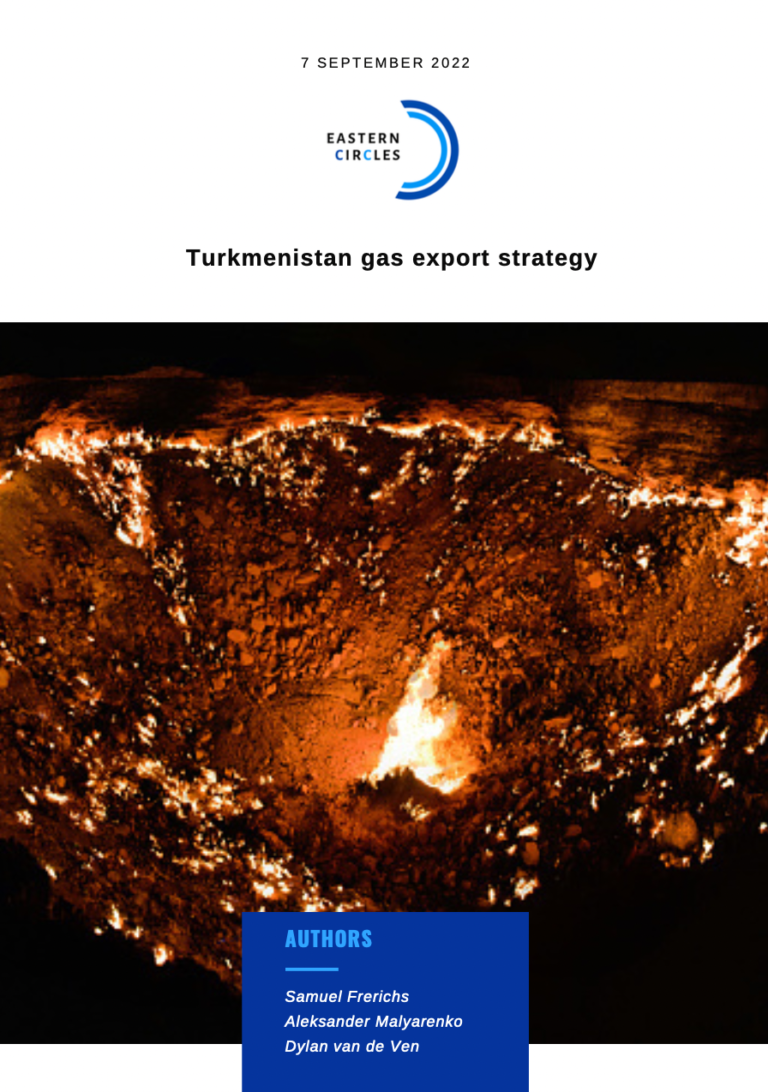
Natural gas is the lifeblood of the Turkmen economy. The country’s growth prospects and foreign policy are intrinsically tied to evolutions in the global hydrocarbons market. Russia’s invasion of Ukraine sped up the European Union’s efforts to diversify away from Russian hydrocarbon imports and caused energy prices to soar. COVID-19 battered the economy, reducing energy demand and worsening domestic woes, such as reported food shortages, emigration, and inflation. The economy appears to have struggled to recover from the 2014-2015 commodity crisis that collapsed global energy prices. Likewise, unverified reports suggest that Turkmenistan entered a recession because of the pandemic. Instead of diversifying its partners, Ashgabat seems to be enhancing its dependence on China through the enlargement of its pipeline capacity. It is further spending its diplomatic efforts on building a pipeline that would run through Afghanistan to India, though the project is widely considered to be unfeasible. The government completed a staged presidential transition from Gurbanguly Berdymukhamedov to his son Serdar in early 2022. No pivots in domestic or foreign policy are appearing, though authorities are faced with a fundamentally changed shift in the international energy landscape. Ashgabat is responding by tentatively starting talks with Iran and Azerbaijan to open up gas markets in Turkey, Azerbaijan, and Europe. It can further capitalize on enhanced regional integration to build up deliveries to its Central Asian neighbors Kazakhstan and Uzbekistan. China should remain a key partner, but it should not be the only buyer of Turkmen gas.